Event · 22 to 27 September 2026

WorldSkills Shanghai 2026: Skills, Young Talent and the Future of Global Work

Young professionals from 68 countries and regions met in Shanghai to compete across 64 skills, with Team South Africa among them.
Written by HOASHouse of Auré Studios ·
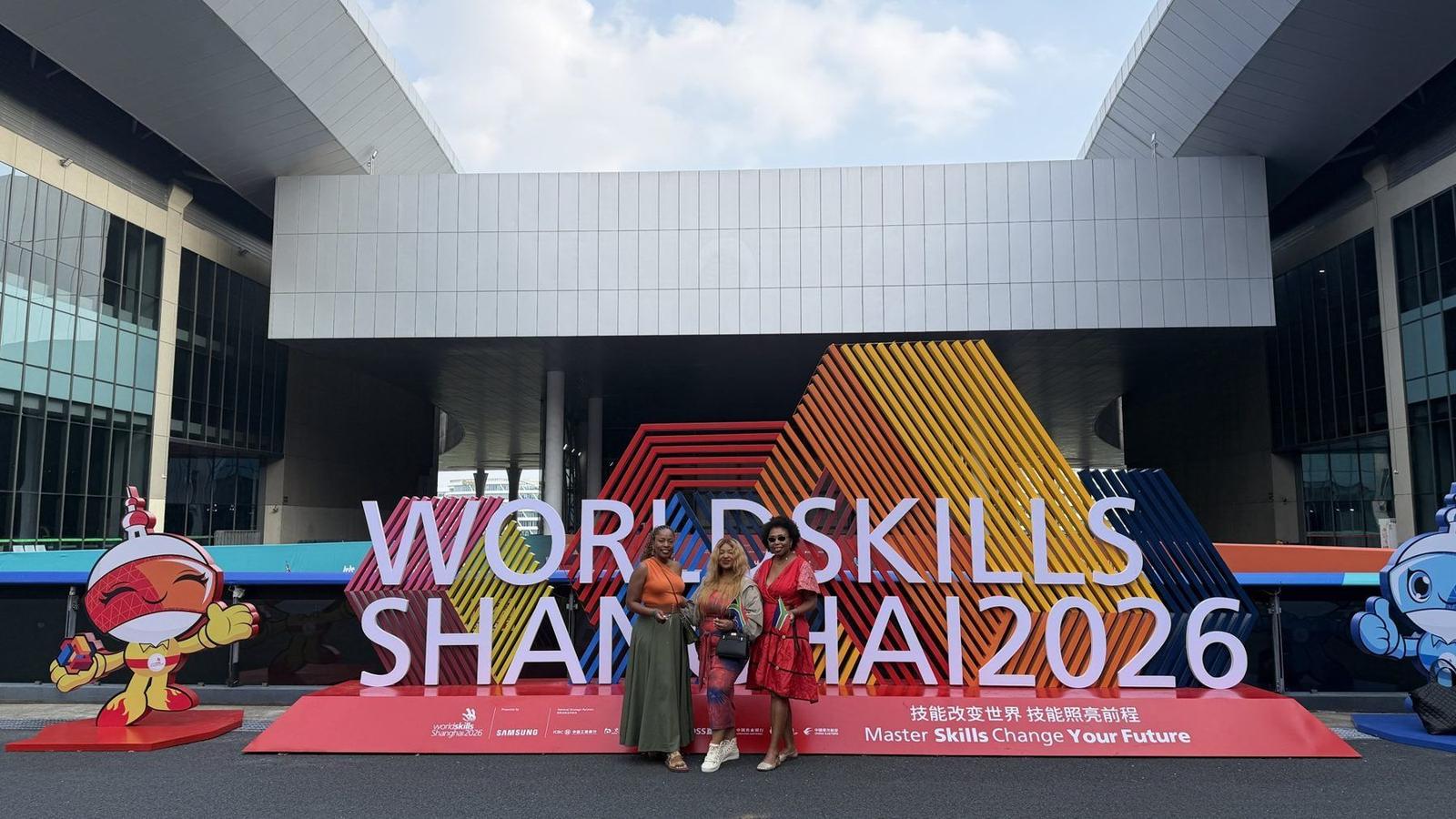
The WorldSkills Shanghai 2026 sign at the competition venue

What does it mean to be a skilled professional in a rapidly changing world?

That question sat at the heart of WorldSkills Shanghai 2026, where young professionals from around the world gathered in Shanghai to compete, learn and demonstrate technical and vocational excellence.

The 48th WorldSkills Competition took place from 22 to 27 September 2026. The Shanghai edition brought together 1,385 competitors from 68 countries and regions across 64 skills, making it the largest WorldSkills competition to date by the number of skill categories.

What is WorldSkills?

WorldSkills is an international movement focused on skills excellence and the development of technical and vocational education and training (TVET).

Every two years, the WorldSkills Competition brings together young skilled professionals to compete in disciplines ranging from engineering and manufacturing to construction, hospitality, digital skills and emerging technologies.

But the competition is about more than medals.

WorldSkills describes its wider mission as bringing together young people, industry, education and government to advance skills development and demonstrate the value of vocational expertise.

That makes the event particularly relevant at a time when countries around the world are thinking about how to prepare young people for changing industries, technological transformation and future employment.

Shanghai as a global skills meeting point

Hosting WorldSkills in Shanghai placed the competition inside one of the world's major centres for manufacturing, technology, education and international business.

The 2026 competition featured 64 skill categories, including seven new categories. These included emerging areas such as unmanned aerial systems and intelligent security technology alongside established technical disciplines.

That combination is significant.

The future of work is not necessarily about replacing traditional skills with technology. In many industries, it is about combining technical knowledge, craftsmanship and new technologies.

A competition such as WorldSkills makes that relationship visible.
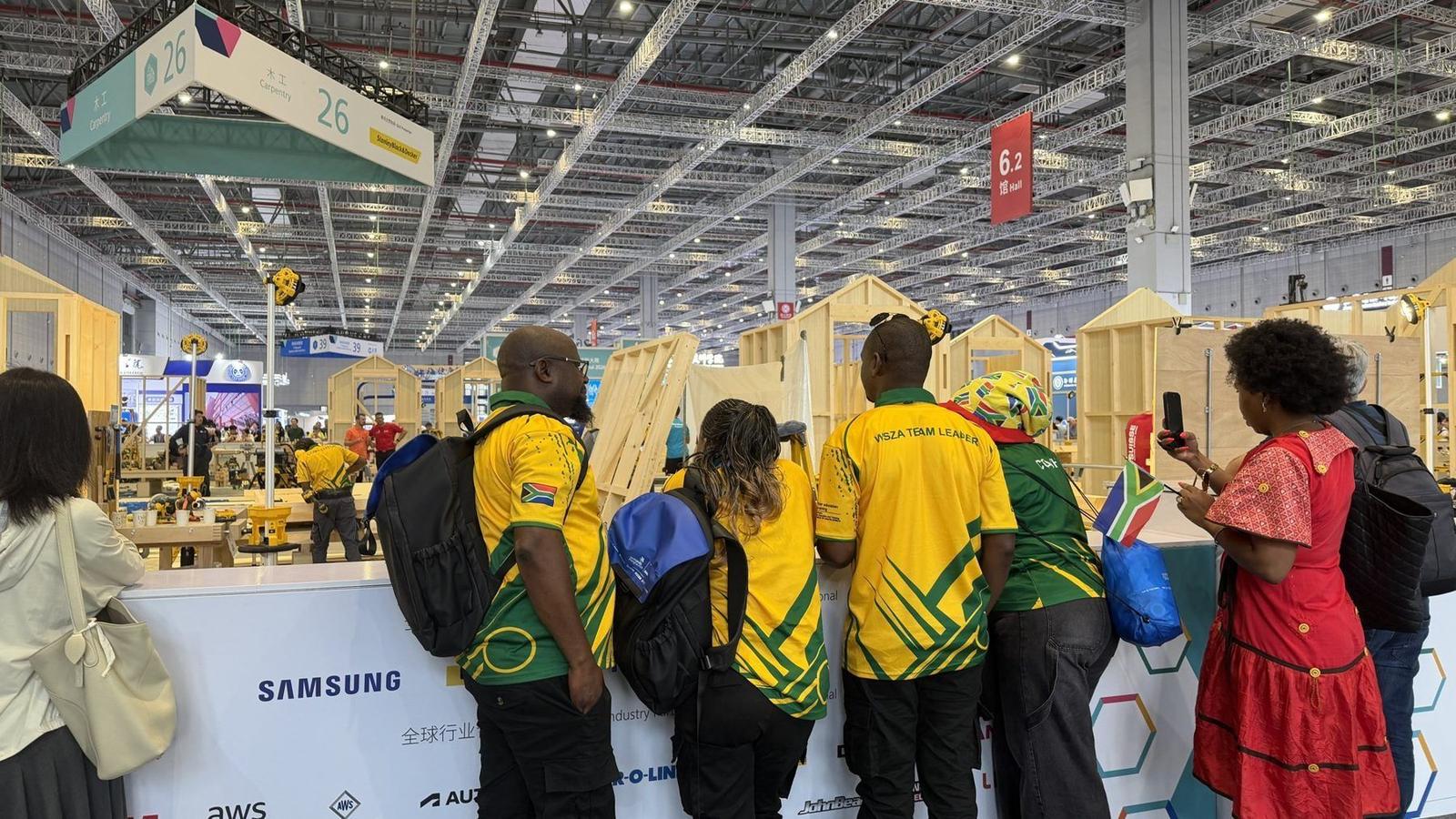
Team South Africa supporters watching the carpentry competition

Team South Africa in Shanghai

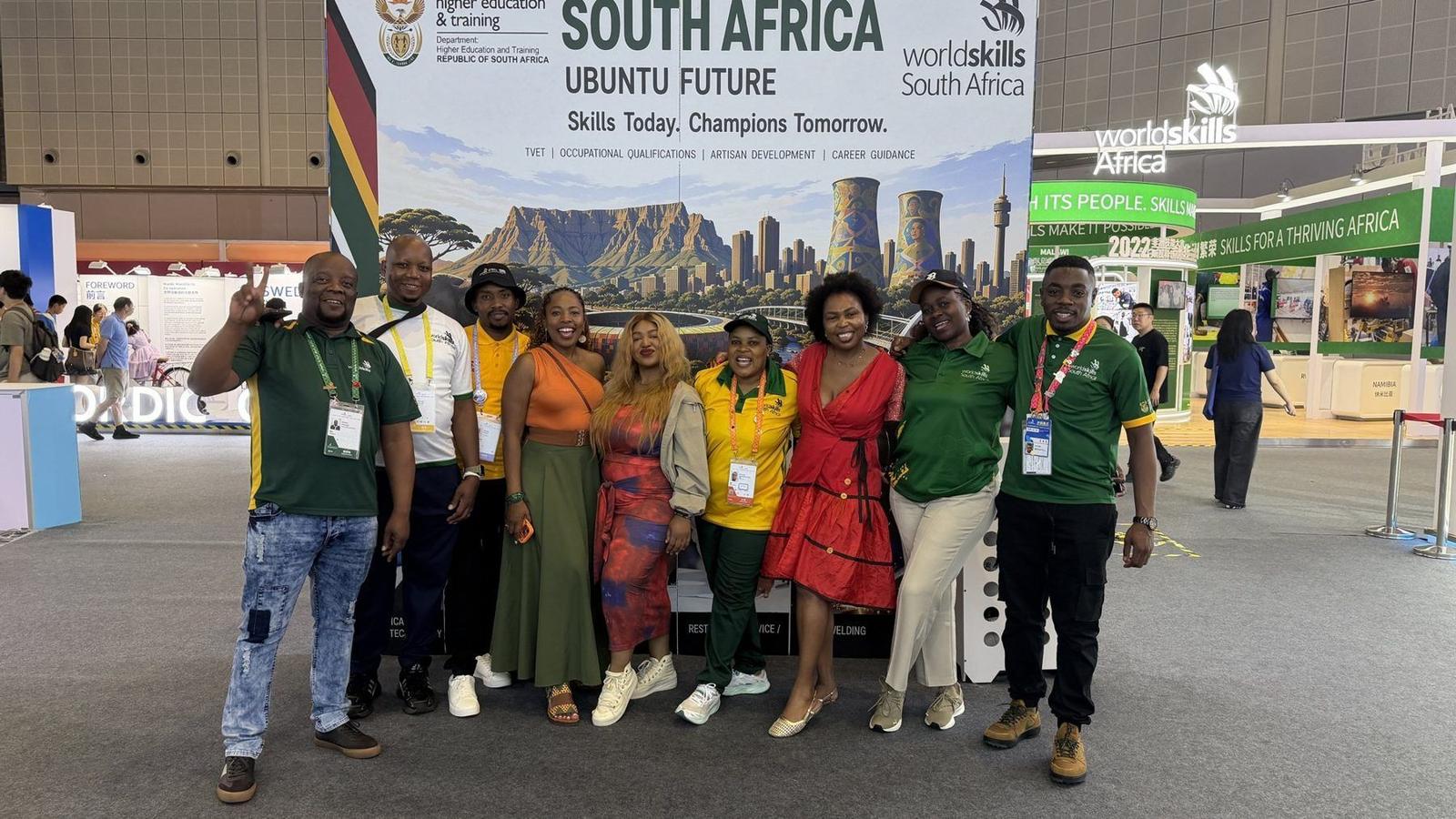
Among the international delegations was Team South Africa, with 29 young competitors representing the country across 27 skills.

Their categories included areas such as Mechatronics, Aircraft Maintenance, Plumbing and Heating, Refrigeration, Construction and Water Technology.

Seeing the South African team compete in person in Shanghai was a particularly meaningful experience.

There is something different about watching a young person represent their country thousands of kilometres from home, surrounded by competitors from across the world, while working under the pressure of an international competition.

It puts skills development into a very human context.

These are not simply "skills categories" on a programme.

They represent years of training, practice, mentorship and determination.
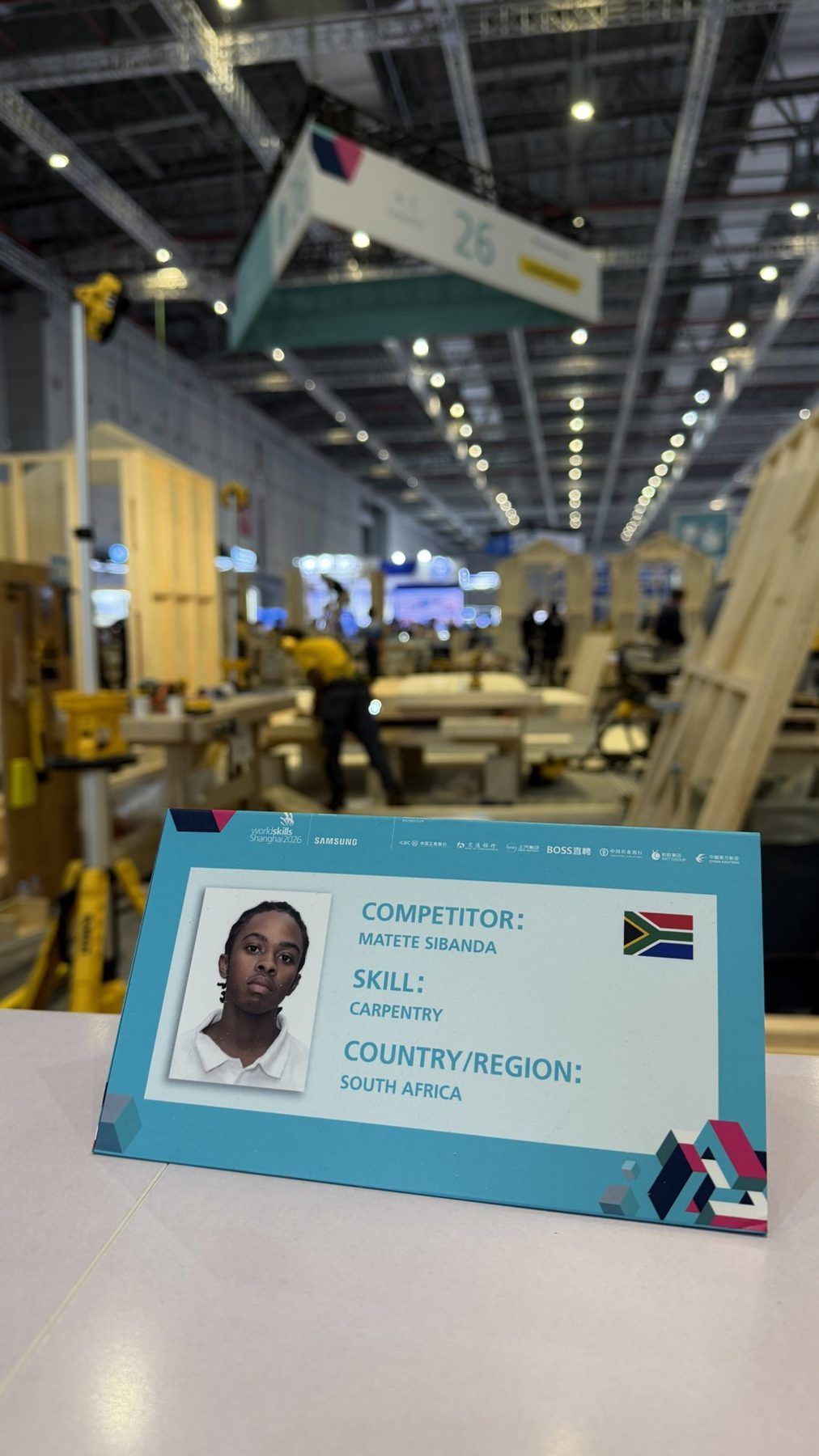
Team South Africa's carpentry competitor card at WorldSkills Shanghai 2026

And they represent something important about international exchange: expertise travels.

A young South African technician can arrive in Shanghai and find themselves working alongside someone trained in another country, learning from the same technical standards while bringing their own experience and perspective into the room.

That exchange is part of the value of an international skills ecosystem.
Skills as a bridge between countries

International collaboration is often discussed through the language of trade, investment and technology.

WorldSkills offers another perspective.

Skills themselves can be a form of international connection.

A shared technical discipline creates a common language between people who may otherwise have very different cultural and linguistic backgrounds.

Competitors learn from one another.

Experts compare standards.

Industry sees emerging talent.

Governments and education systems gain insight into the skills that industries need.

And young people gain an opportunity to see where their expertise can take them.

The Shanghai competition also highlighted the relationship between skills and technological change, with new and emerging disciplines appearing alongside long-established trades.

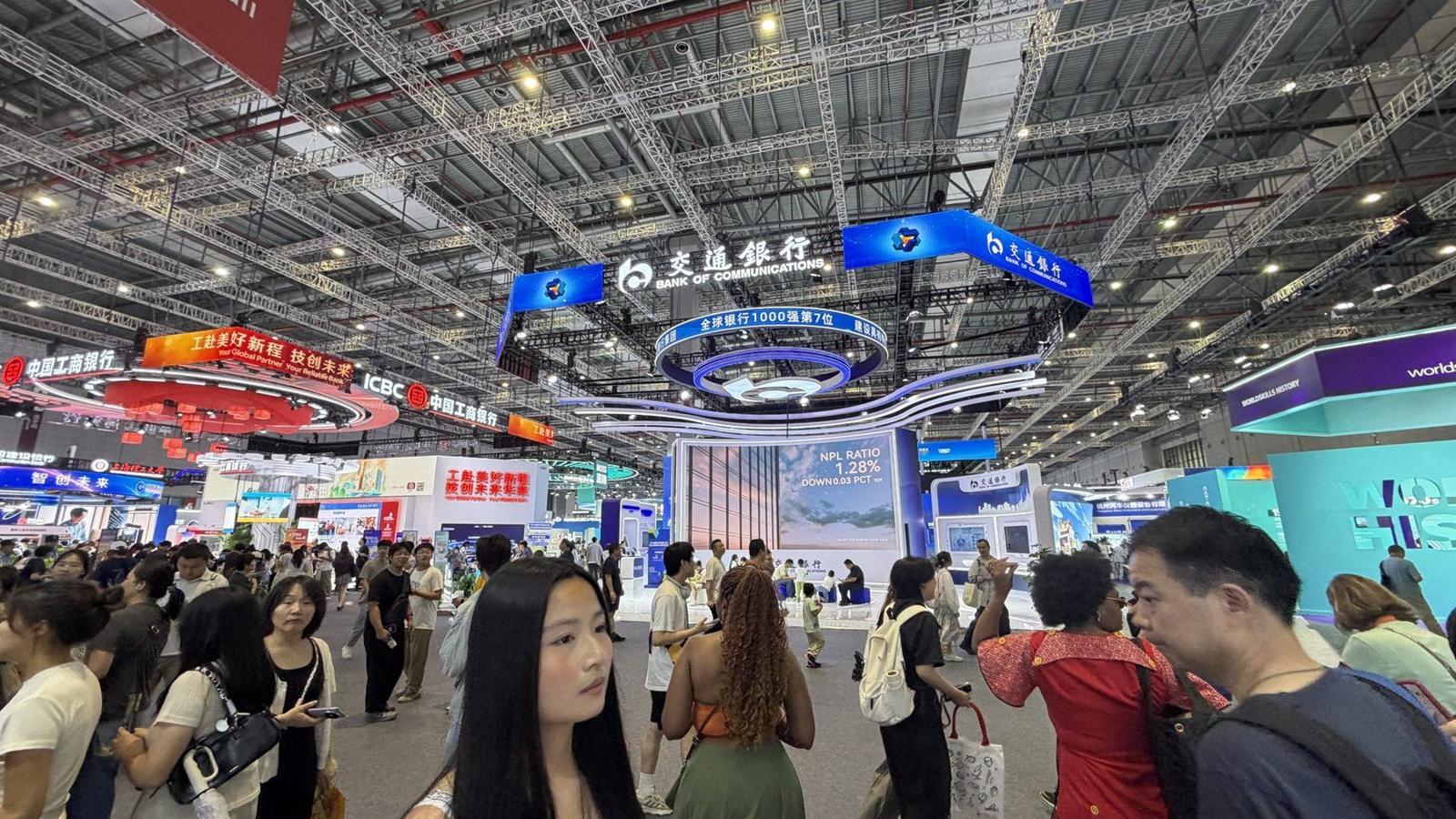
A busy competition hall at WorldSkills Shanghai 2026

Beyond competition

WorldSkills also creates a cultural experience.

Hundreds of competitors, experts and delegates spend time in the same city, encounter different languages and traditions, and experience one another's approaches to education, work and professional development.

That matters because international collaboration is built through more than formal agreements.

It is built through familiarity.

Through conversation.

Through seeing another person as a colleague rather than an abstract representative of another country.

The 2026 competition ultimately became another example of how major international gatherings can create connections that extend beyond the immediate purpose of the event.

Looking towards Japan 2028

WorldSkills Shanghai 2026 has now closed, but the international skills movement continues.

The next WorldSkills Competition will take place in Japan in 2028, creating another opportunity for young skilled professionals, industry, educators and international communities to come together.

For South Africa, that means another opportunity to showcase its young talent internationally.

For those of us watching from the sidelines, it is also an opportunity to think more deeply about how we support skills, creativity, technical expertise and international mobility.

Team South Africa supporters at the South Africa booth

HOAS and the value of international connection

For House of Auré Studios, being present in Shanghai during WorldSkills 2026 was an opportunity to support South Africa in person and witness this global exchange of skills and ideas.

It also connected naturally with something central to our work: building bridges between people, cultures and markets through creative communication.

Whether the subject is business, technology, culture or skills development, international collaboration becomes more meaningful when people understand the context and stories behind one another.

That is part of what we explore through our work across China, South Africa and international creative communities.

Explore House of Auré Studios to learn more about our approach to creative strategy, storytelling, design and cross-cultural collaboration.

Stay connected

We'll continue documenting the people, ideas and international spaces shaping how we connect across borders.

Follow HOAS, subscribe to our newsletter, or get in touch if you're working on a project that connects cultures, markets or communities.

Related rooms
Development Cross-Border China Connect

More insights.

All insights ›
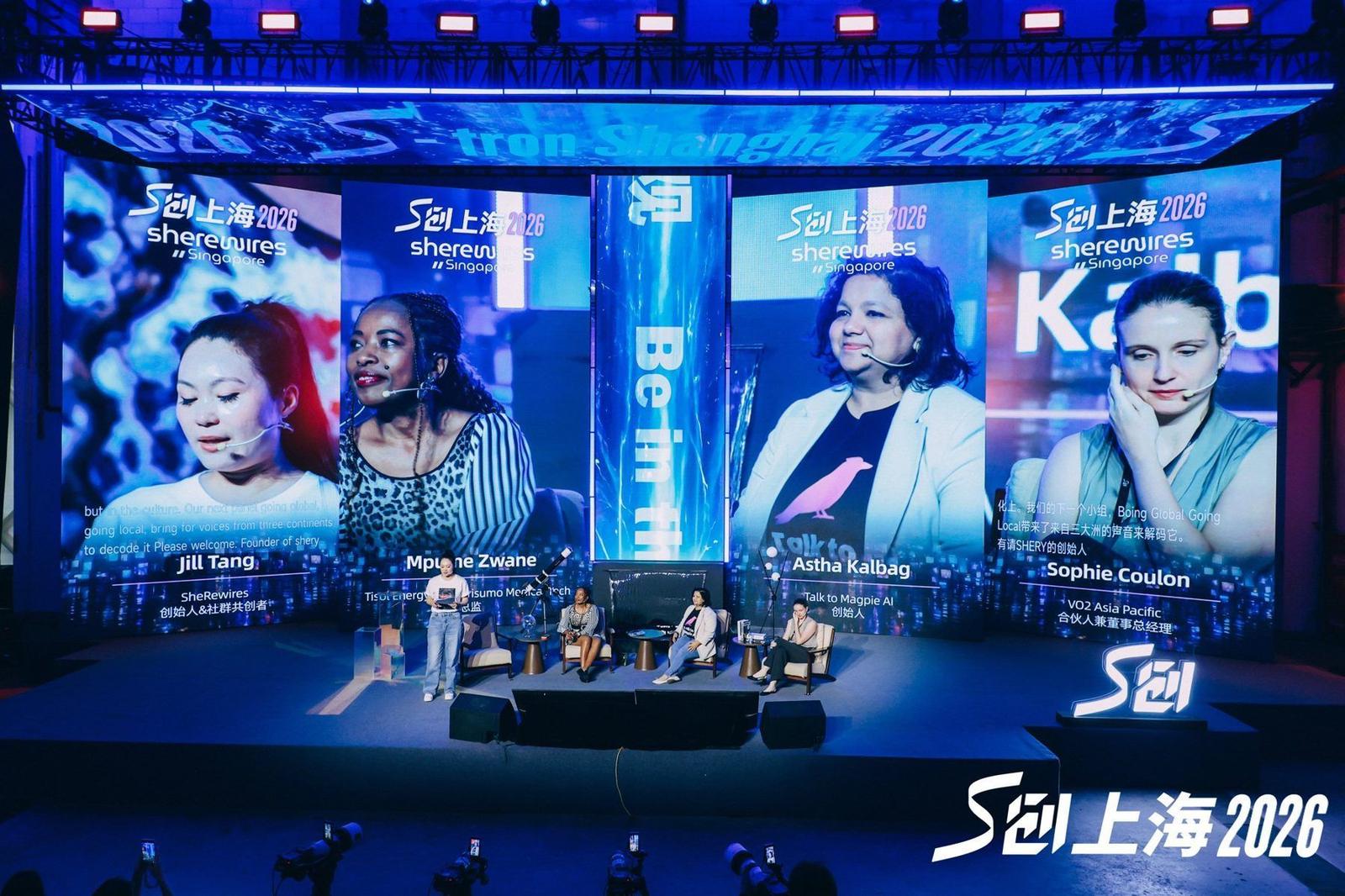
The S-Tron China 2026 stage in Shanghai, with speakers in front of large screens
Event · 22 to 23 September 2026S-Tron China 2026: Where Global Innovation Meets Local Context
Bright threads on a weaving loom
ProgrammesThreads Across Worlds: Building Cultural Connections Between the UK, South Africa and China

Tell us what you're working on.

Have a project, collaboration, idea or question?

ConnectSubscribe to Substack