Threads Across Worlds: Building Cultural Connections Between the UK, South Africa and China
A cross-cultural collaboration between House of Auré Studios and hARTslane Studio, developed through the British Council's Connections Through Culture 2026.
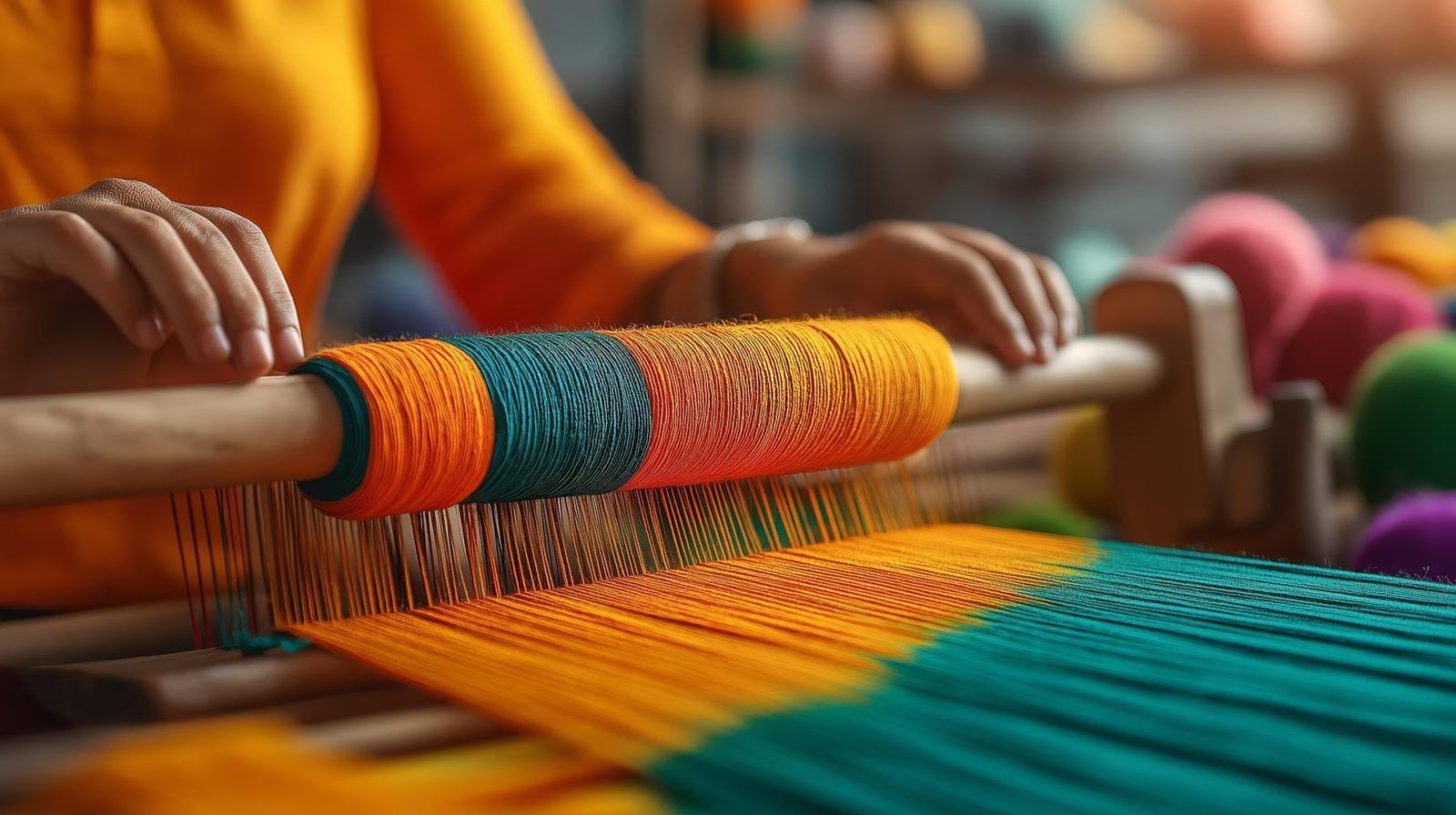
Culture does not travel in a straight line.
It moves through people, stories, objects, language, memory, design, food, music, images and the countless ways people understand their own place in the world.
That idea sits at the centre of Threads Across Worlds, a proposed cross-cultural collaboration developed by House of Auré Studios and hARTslane Studio in South East London through the British Council's Connections Through Culture 2026 programme.
Rather than treating culture as something that can simply be exported from one place to another, the project begins from a different premise: what happens when people from different cultural contexts meet, exchange ideas and create something together?
What is Connections Through Culture?
The British Council's Connections Through Culture (CTC) programme supports artistic collaboration between the UK and participating countries around the world.
The 2026 programme is designed to support creative practitioners, cultural organisations, artists, festivals, hubs and collectives working across a broad range of art forms and themes.
Eligible activity includes collaborative artistic development, residencies and exchanges, workshops, talks, research and development, exhibitions, performances, public programmes, professional development and cross-cultural knowledge-sharing.
For 2026, South Africa is among the participating countries, alongside China and a wide range of countries across Africa, Asia, Europe, the Middle East and Latin America.
The programme therefore creates an interesting framework for thinking about international creative collaboration not simply as cultural exchange, but as a process of co-creation.
From South Africa to China, through the UK
Threads Across Worlds brings together three contexts:
South Africa.
China.
The United Kingdom.
At first glance, these places may seem geographically and culturally distant.
But global creative practice is increasingly shaped by exactly these kinds of connections.
Artists, designers, cultural practitioners and creative organisations are no longer working exclusively within national boundaries. Digital communication, migration, international education, travel and global creative networks have made it possible for ideas to move between places in ways that would have been far more difficult a generation ago.
The challenge is making sure that movement does not flatten cultural differences.
International collaboration becomes richer when each place brings its own knowledge rather than being asked to conform to a single dominant perspective.
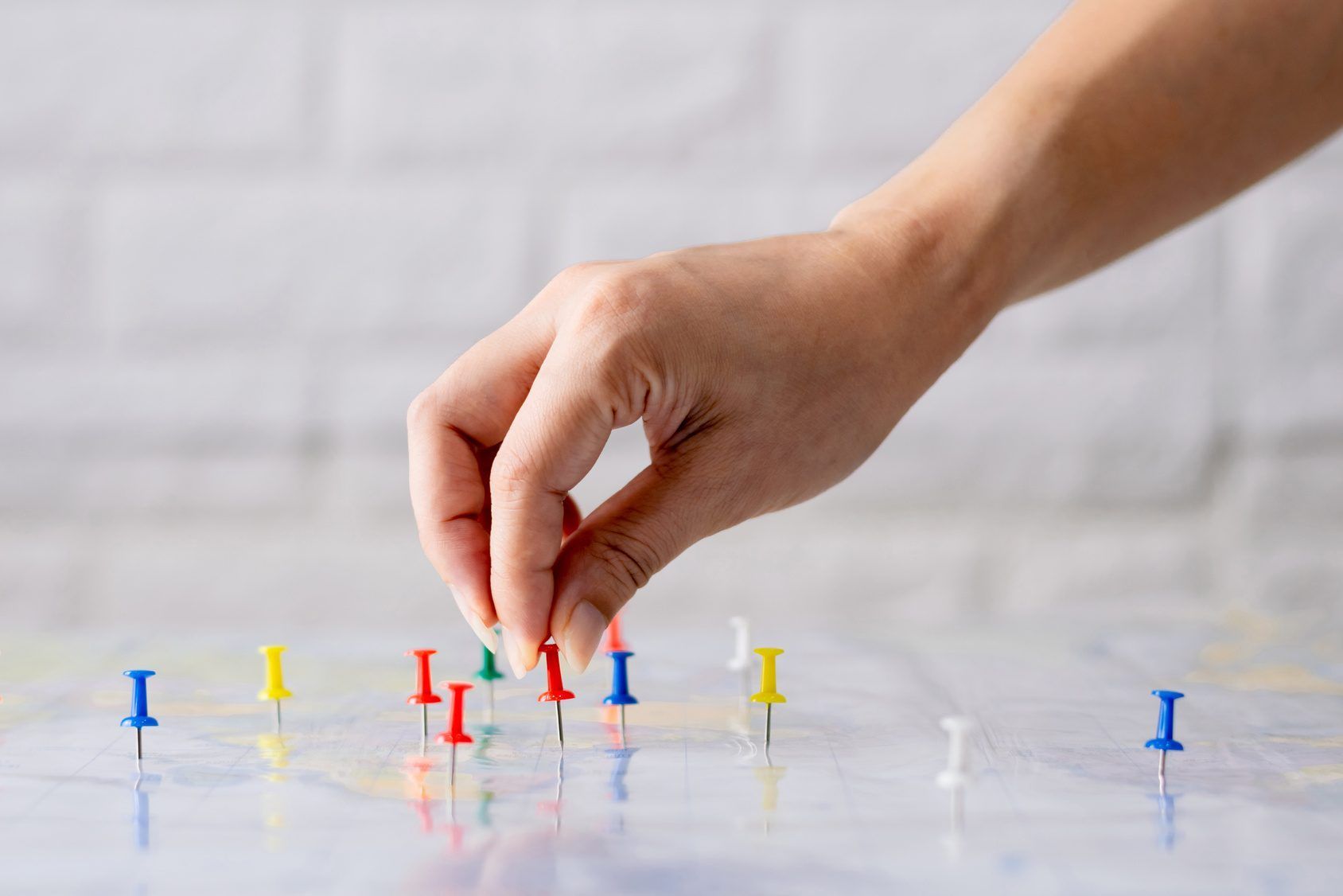
Why cultural collaboration matters
There is a difference between presenting another culture and collaborating with people from that culture.
The first can be observational.
The second requires participation.
Collaboration asks people to listen, negotiate, share authorship and make space for perspectives that may challenge their own assumptions.
That process can be uncomfortable at times, but it is also where some of the most interesting creative work can emerge.
A cross-cultural project is therefore not simply about putting three countries into the same programme.
It is about asking:
What can we learn from one another?
What changes when an idea moves between cultural contexts?
What stories become possible when different perspectives are allowed to shape the work?
These questions are increasingly relevant to the creative industries, where audiences, collaborators and markets are becoming more international.